
Metroid Prime 4: Beyond Looks Incredible—But Playing It Is Another Story, offering breathtaking visuals but uneven gameplay, pacing issues, and design choices that divide longtime fans and new players alike.
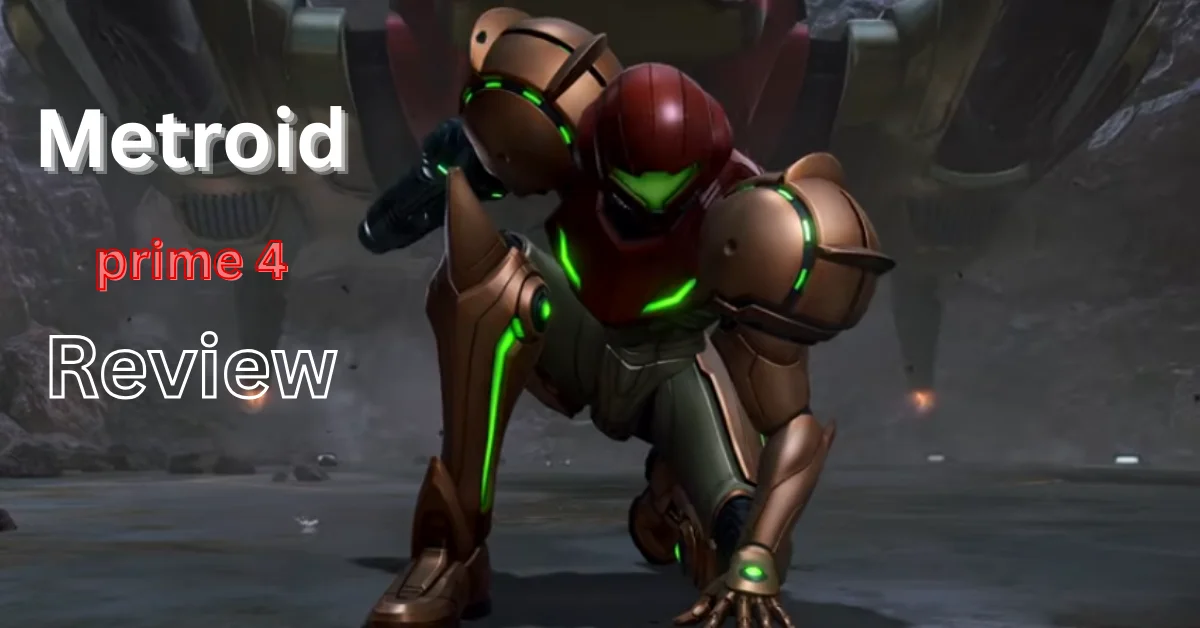
Metroid Prime 4: Beyond is one of those games that make you stop and stare before they make you sigh. After years of delays, reboots, and confusion about what the game even was, it finally returned to Retro Studios—the same team that created the original Prime trilogy. But even with that talented studio back in charge, you can still feel the impact of the long and messy development cycle.
On the surface, the game is gorgeous. The environments are stunning, the lighting feels alive, and the sound design is pure Nintendo magic. But once you start actually playing, the experience becomes strangely uneven. The pacing is off, the atmosphere breaks often, and some parts feel so unlike Metroid that you almost forget what series you’re in.
It’s a game that’s impressive to look at but not always enjoyable to play—and that’s what makes it such a complicated experience.
A Game That Pushes the Switch 2 Hard—And Nails the Atmosphere
Let’s start with the strongest part: Metroid Prime 4 looks and sounds amazing. On the Switch 2, especially in handheld mode, the game feels like a technical flex. It gives you two graphical modes to pick from:
A sharper, more detailed mode that stays at 60 FPS
A faster 120 FPS mode at 720p
Both options feel incredibly smooth. Colors glow, shadows shift realistically, and particle effects float through the air like tiny pieces of alien dust. The sound design is just as good — haunting choir vocals echo in the background while mechanical noises hum around you. It’s the kind of atmosphere Metroid has always excelled at, and Retro Studios absolutely understands how to create a world that feels alive and abandoned at the same time.
What’s especially refreshing is that the game doesn’t lean on high-end tech tricks. Instead, it relies on style. The art direction and the music do most of the heavy lifting, showing other developers that you don’t need ultra-realistic graphics to make something unforgettable.
If looks and sound were all that mattered, this would easily be one of Nintendo’s best releases ever. But unfortunately, visuals aren’t the full story.
A Beginning That Doesn’t Feel Like Metroid
The game’s biggest problem is clear right from the opening hours. Instead of that slow, eerie build-up the series is known for, Metroid Prime 4 begins like it’s trying to be a completely different game. It pushes you into long, straightforward corridors filled with waves of enemies. There’s barely any mystery or exploration at first — just nonstop action.
And then comes one of the strangest decisions in the whole game.
Just when it feels like you’re finally gaining some freedom, the game forces you through a long, awkward motorcycle tutorial. Yes, Samus gets a motorcycle named Vi-O-La. And yes, the tutorial drags on for nearly 20 minutes. It completely kills whatever momentum the story had started building.
Once you finally reach the desert hub world, things don’t improve much. The area adds bits of lore, but most of it feels half-baked, like ideas that were never fully developed. Even worse, the desert layout makes traveling back to earlier areas more annoying. Instead of feeling connected, the world feels weirdly spread out in a way that breaks the usual Metroid flow.
For a franchise famous for its perfectly connected map designs, this is a surprising step backward.
Side Characters That Constantly Break the Mood
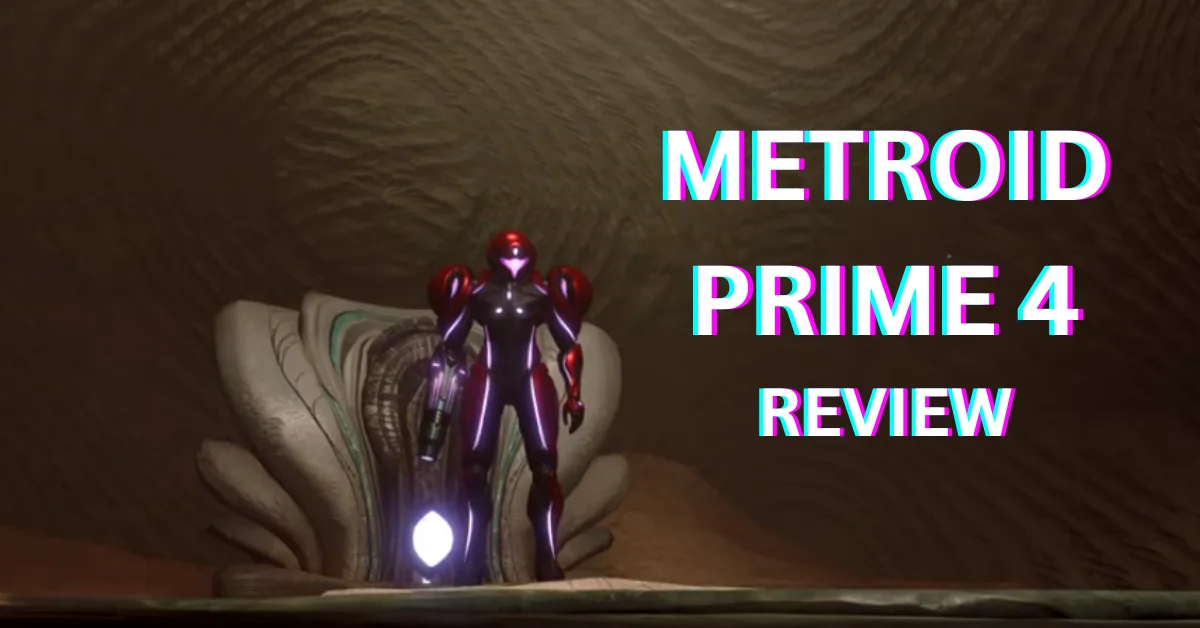
If the pacing wasn’t already rough enough, the game introduces a new problem: talkative side characters. The most infamous one is Myles Mackenzie, the Galactic Federation engineer who behaves like he walked out of a snarky sci-fi sitcom. His constant quips were already criticized before release, but the real game is somehow worse.
And he’s not alone. The game is filled with “Myles-like” characters who can’t stop commenting on Samus every time she appears. They fanboy over her in every situation, even when they’re supposed to be in danger:
“Whoa, is that a new suit?”
“You’re THE Samus Aran?”
“I can’t believe I’m seeing you in person!”
The first time, it’s mildly annoying. By the fifth time, it genuinely hurts the atmosphere. Metroid works best when Samus is alone, exploring quiet worlds where every sound matters. These characters constantly break that feeling, and their dialogue feels out of place in a game that’s usually so careful about tone.
The Middle Part Finally Feels Like the Metroid Fans Love
Thankfully, the game doesn’t stay messy forever. Once you push past the weak start and the overly chatty characters fade out, Metroid Prime 4 eventually settles into a rhythm that feels much closer to the earlier Prime titles.
The puzzles become more interesting. The combat becomes fun instead of overwhelming. You start finding hidden upgrades again—things like missile expansions and energy tanks tucked behind clever environmental tricks.
Samus’ new psychic powers also start to shine here. They don’t reinvent combat, but they add a satisfying layer of strategy to both puzzles and boss battles. Using the Control Beam to interact with the environment from a distance becomes one of the game’s most enjoyable tricks.
This middle stretch captures everything fans have been waiting for—exploration, atmosphere, and that sense of gradually becoming more powerful.

A Beautiful Planet With Some Truly Memorable Locations
Retro Studios has always been great at world-building, and Viewros, the new planet Samus explores, is no exception. Even though some areas are hit or miss, the world overall is visually stunning.
Some standout locations include:
• The Floating Motorcycle Factory
Surrounded by constant lightning storms, this area looks dangerous and feels genuinely tense. It’s one of the most creative environments in the whole game.
• The Industrial Complexes
These glow with detailed lighting and feel full of strange, alien machinery. They look like they have stories to tell even without dialogue.
• The Natural Landscapes
Vast, quiet, and lonely—exactly what Metroid worlds should feel like.
Not every place hits the same level. The snowy laboratory and the mines feel a bit too plain, almost like filler zones. But the journey through each area is usually enjoyable thanks to strong level design and clever shortcuts.
Gameplay Works Well—Until the Finale Slowly Comes Apart
Moment to moment, Metroid Prime 4 feels solid. The classic lock-on shooting is smooth, and the combination of new powers and traditional abilities blends nicely. The desert hub is also better than it first appears. It feels big enough to justify the motorcycle, but not so large that it becomes a chore to cross.
But as the story moves toward the ending, several problems begin to pile up:
1. The Green Crystal Grind
Throughout the desert sections, you collect green crystal energy. Early on, it feels like a fun side activity. Later, it becomes a hard requirement. If you don’t have enough near the final phase, the game stops you and forces you to grind for more. It kills the pacing instantly.
2. NPC “Help” That Creates More Trouble
You can call Federation soldiers for hints, which is useful. But when they join you in combat, things get messy. They can die quickly, and if you don’t revive them in time, the game counts it as a failure—sometimes causing a game over. Instead of feeling helpful, they feel like they are babysitting.
3. A Weak Ending
The story never lands emotionally, and the final act feels underwhelming. There’s no big twist, no shocking moment, nothing that feels worth the long wait.
The Most Confusing Choice: No Post-Game Exploration
Here’s the decision that baffled almost every longtime Metroid fan:
After finishing the final mission, you cannot return to your save.
There’s no chance to go back and complete missing upgrades. No opportunity to explore at your own pace with every ability unlocked. Unless you made a manual backup save—which the game never hints you should do—you’re locked out completely.
Your only choice is to start a new playthrough.
For a franchise built around backtracking and 100% completion, this feels like a huge oversight.
A Flawed Game With Moments of Pure Brilliance
Even with all these issues, Metroid Prime 4: Beyond still delivers something special. When the game quiets down and lets you explore, the atmosphere is unmatched. The music, the visuals, the sense of being alone in a strange world—all of it is beautifully crafted. It’s easy to lose yourself in the world of Viewers and remember why this series has such a loyal fanbase.
The long wait for a new Metroid Prime was tough, but the moments where the game truly comes together remind you why people have been excited for this universe for almost two decades.
Metroid Prime 4: Beyond is not perfect—far from it—but it’s still an adventure worth experiencing if you’re willing to accept its flaws along the way.