
Massive Hack Targets China’s supercomputer in what could be one of the country’s biggest cyber breaches, exposing highly classified military and research files.
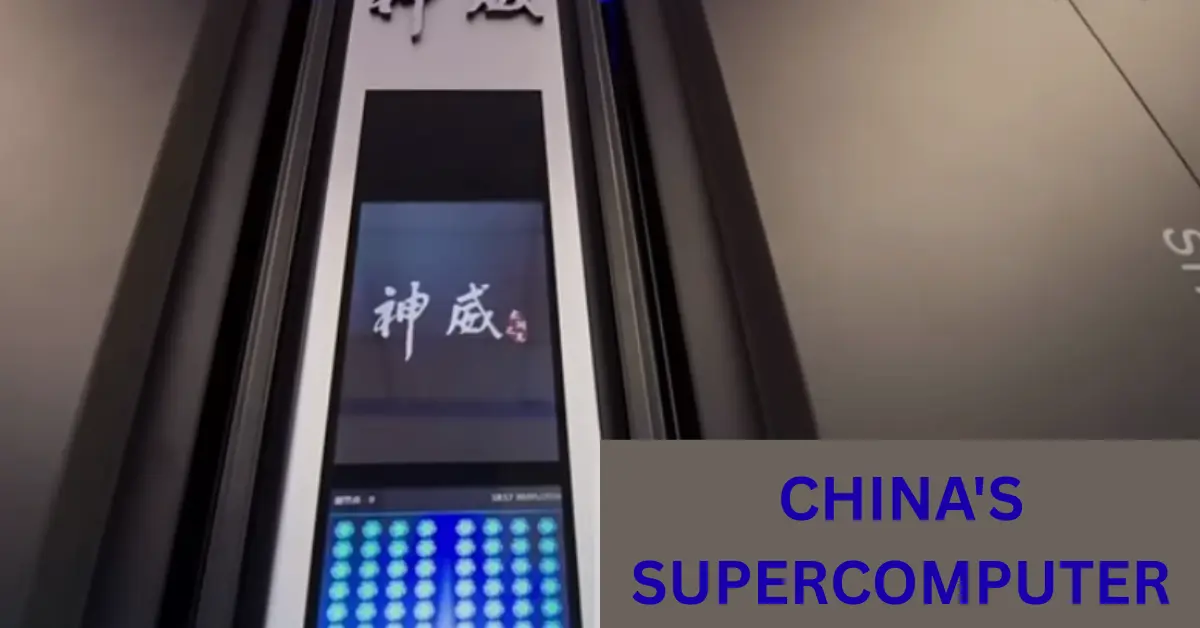
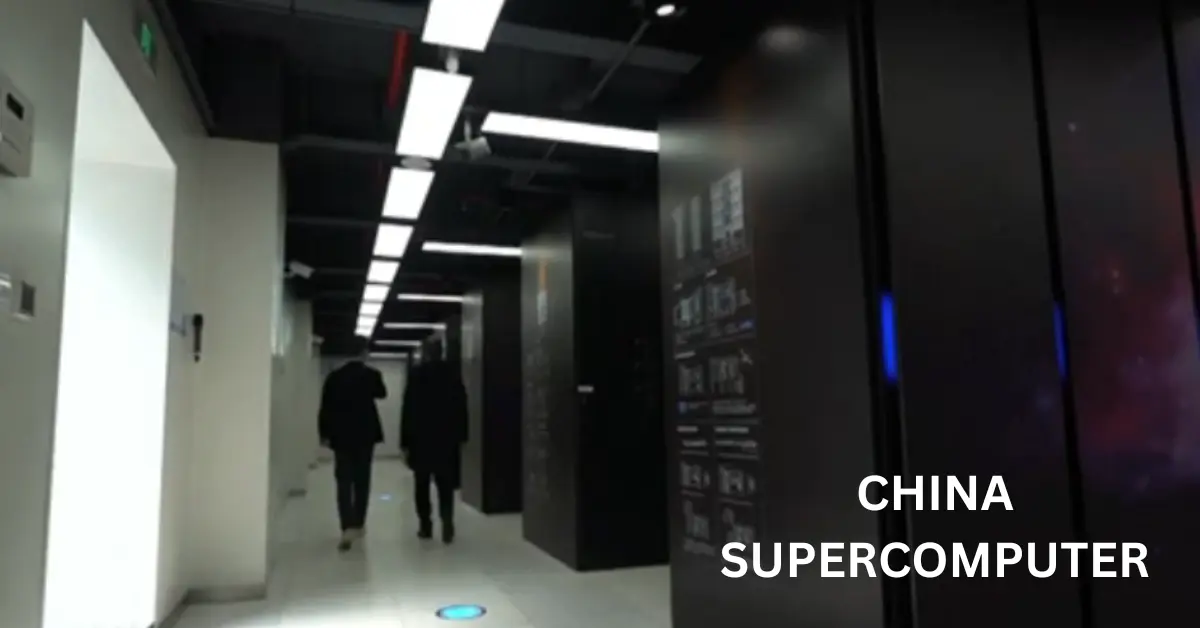
China's supercomputer
A hacker has done something big in China. This person has taken a lot of information from a place that does very powerful computer work. The information they took is very sensitive. Includes things like secret defense documents and detailed plans for missiles.
The information gathered is huge. It is more than 10 petabytes. People who know about this think the information might have come from the National Supercomputing Center in Tianjin. This is a place for computer work in China, and it helps more than 6,000 clients. These clients include places that do science and work on defense. They use the center’s computers to do big jobs.
People who work in computer security have spoken with the person who says they did this. They have also looked at some of the information that was posted online. They say the hacker was able to get into the system easily. What is more worrying is that the hacker was able to take a lot of information over several months without anyone noticing. The National Supercomputing Center is a computing hub, and the hacker was able to get into the National Supercomputing Center’s system without being detected. The hacker got a lot of information from the National Supercomputing Center.
The person using the name “FlamingChina” online shared some files from a dataset on a Telegram channel on February 6. This person said these files have research from areas like building airplanes, military studies, bioinformatics, and fusion simulation. The person who did this also said that this information is connected to organizations in China, such as the Aviation Industry Corporation of China, the Commercial Aircraft Corporation of China, and the National University of Defense Technology.
CNN talked to China’s Ministry of Science and Technology and the Cyberspace Administration of China to get their side of the story.
Some people who study cybersecurity looked at parts of the shared data. They think the group is showing a little bit of the dataset for a lot of money, thousands of dollars. They want people to pay hundreds of thousands of dollars to see all of it. They want to be paid in a kind of money called cryptocurrency. Even though CNN could not check where all of the dataset came from or if everything “FlamingChina” said is true, some experts who looked at the shared files think the information seems real.
The things that were in the sample included documents that said “secret” in Chinese. There were also files and pictures of military things like bombs and missiles.
Dakota Cary said these things are what he would expect to see from a supercomputing center. Dakota Cary is a consultant at a company called SentinelOne. He looks at things that have to do with China. He looked at the samples that were leaked. He said that supercomputing centers are used for jobs that need a lot of computing power. They help a lot of customers. The different things in the leaked samples show that the center probably had a lot of clients. Most of these clients would not have their supercomputing systems because they do not need them.
The Tianjin facility is very important. It was the supercomputing center in China when it opened in 2009. Now it is part of a group of centers in big cities like Guangzhou, Shenzhen, and Chengdu.
To understand how big the breach was, we need to look at the numbers. One petabyte is the same as 1,000 terabytes. A good laptop can hold about one terabyte. So 10 petabytes would be the same as 10,000 terabytes. This is a lot of data. Only big places would be able to handle it. The supercomputing center is one of these places. The breach of the supercomputing center is very big. The supercomputing center has a lot of data. The data from the supercomputing center is very important.
Marc Hofer, a cybersecurity expert, thinks a dataset of this size would be super appealing to government intelligence agencies. He believes only governments have the resources to go through such a large amount of data and find something valuable. Dakota Cary pointed out that data leaks from China’s cyber world have been sold before. He said many governments would be interested in data from the NSCC. Some might already have similar information. A CNN report called it a development: a hacker claiming to have accessed a major Chinese supercomputer and trying to sell the data online. Experts looked at the samples shared by FlamingChina. They seem to match what you’d expect from such a facility. “They’re what I would expect to see,” Cary said. He stressed that supercomputers are meant for tasks, and the variety of leaked files shows the center works with many different customers. The leaked files are a deal, and Marc Hofer thinks government intelligence agencies would love to get their hands on them.
The account wanted hundreds of thousands of dollars in cryptocurrency for the dataset. The hacker said they stole 10 petabytes of data. That is 10,000 terabytes or 10 million gigabytes.
Interestingly, Cary said the methods the hacker used to get the data were not very special. The hacker got in through a VPN domain that was not secure. Then they used automated tools to take the data out over six months. They moved the data a little at a time to systems, so it was hard to notice.
Cary said that if someone is trying to protect the system, they will not see the amount of data leaving. He said this way of doing things worked. It was not new.
Cary also talked about the problems with cybersecurity. He said China has had a lot of problems with cybersecurity in certain areas. Even the people who make policies in China said that they have not been good at protecting against cyber threats. They are trying to get better.
If this breach is real, it could show that China’s digital system has weaknesses. This is a problem because China is trying to get better at technologies and artificial intelligence. If something like this happens, it will make people ask questions about keeping data safe, national security, and being strong against cyber threats.
The hacker used cryptocurrency for the dataset, and Cary said the hacker used a VPN domain to get the data. The cryptocurrency and VPN domain were part of the plan to get the dataset. The dataset is a deal, and the cryptocurrency is too.
China has to deal with cybersecurity, and the dataset and cryptocurrency are part of it. The hacker and cryptocurrency are connected to the dataset. The dataset and cryptocurrency are important to China and the hacker.
Cary talked about the dataset and cryptocurrency and the problems with cybersecurity in China. The dataset and cryptocurrency are related to the problems with cybersecurity. The hacker used the VPN domain and cryptocurrency to get the dataset. The dataset is big. The cryptocurrency is a lot of money.
The hacker and the dataset and cryptocurrency are all connected to China and cybersecurity. China has to be careful with cybersecurity and the dataset and cryptocurrency. The dataset and cryptocurrency are a deal, and China has to protect them.